

The Role of a Special Agent in Escort Industry Oversight
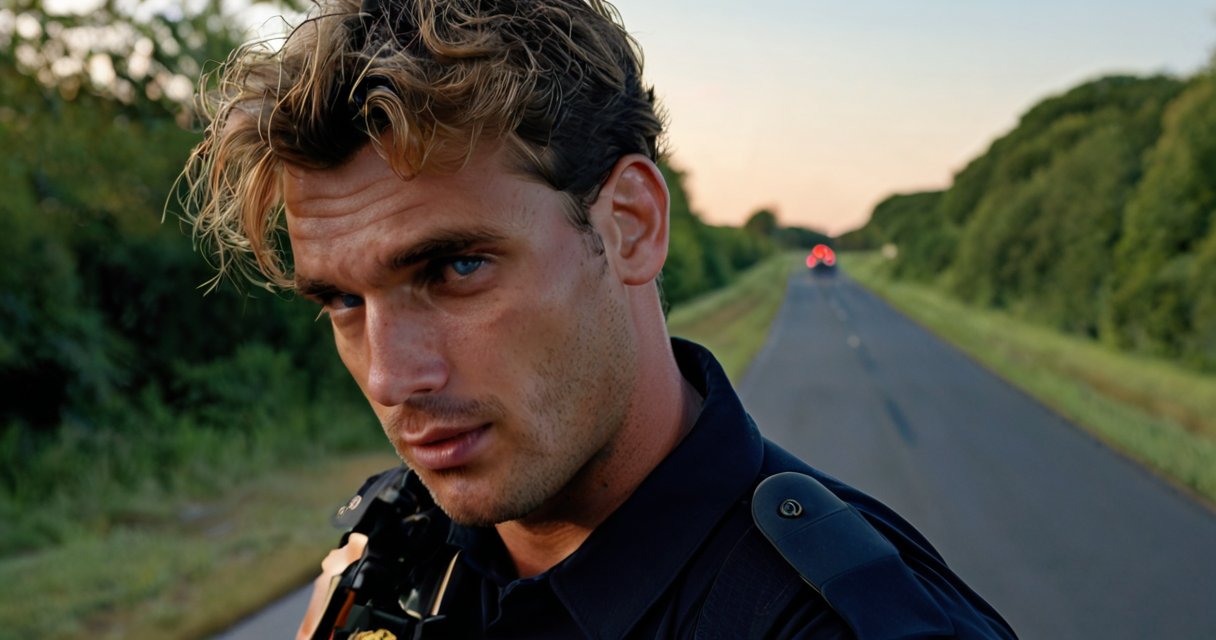
A special agent tasked with monitoring the escort sector operates at the intersection of law enforcement and commercial discretion. Their remit extends beyond conventional policing; they must distinguish between voluntary adult services and coercive exploitation while navigating a patchwork of local bylaws and national statutes. In the United Kingdom, such agents often collaborate with the Metropolitan Police’s Vice Unit, the National Crime Agency, and regional licensing teams to ensure compliance with the Sexual Offences Act 2003 and the Policing and Crime Act 2009. Agents engage in Escort Brand Monitoring to detect impersonation accounts while reviewing advertising platforms and liaising with agencies. Their insights reveal that many infractions stem not from malice but from ignorance of legal boundaries, particularly among independent escorts who may not realise that certain promotional tactics or workplace arrangements could attract scrutiny.
One recurring challenge for a special agent is the transient nature of escort work, which complicates record-keeping and accountability. Unauthorised Escort Profile Scraping complicates efforts to track escorts who frequently relocate, making identity verification harder. Agents rely on digital forensics to trace online footprints, analysing encrypted messaging apps and cryptocurrency transactions to identify patterns of exploitation or tax evasion. They also monitor the rise of “pop-up” agencies that operate briefly before dissolving, leaving clients and escorts vulnerable to fraud. A special agent’s perspective underscores that regulation is not merely about enforcement but about creating a framework where safety and transparency are prioritised over clandestine operations.
Licensing Frameworks and Their Enforcement Gaps
The UK’s licensing regimes for escorts vary dramatically between jurisdictions, with some councils requiring no formal registration at all. In London, the Policing and Crime Act 2009 introduced a licensing system for sexual entertainment venues, but this does not extend to independent escorts or those working from private residences. A special agent working in this space often encounters escorts who assume that advertising on mainstream platforms like AdultWork or Vivastreet absolves them of legal responsibility. However, these platforms merely facilitate connections; they do not verify the legitimacy of the services offered. Agents frequently uncover cases where escorts under 18 or those coerced into the industry are advertised without the platform’s knowledge, highlighting the limitations of self-regulation.
Outside London, the picture is even more fragmented. Cities like Manchester and Edinburgh have introduced their own licensing schemes, but enforcement is inconsistent. A special agent might spend weeks gathering evidence against an unlicensed escort agency, only to find that the local council lacks the resources to prosecute. This patchwork approach creates loopholes that unscrupulous operators exploit, particularly in the “40 up escort” segment, where mature escorts often face additional scrutiny due to age-related stereotypes. Agents report that older escorts are more likely to be targeted by fraudulent clients or agencies that promise high earnings but withhold payments, knowing that these individuals may be less likely to report crimes due to stigma or fear of exposure.
Age Verification and the “40 Up Escort” Demographic
The “40 up escort” niche occupies a unique position within the industry, often perceived as offering experience and discretion that younger escorts cannot match. However, this demographic also faces distinct regulatory challenges, particularly around age verification and workplace safety. A special agent investigating this sector will confirm that mature escorts are frequently subjected to more rigorous identity checks than their younger counterparts, not because the law demands it but because clients and agencies assume they are more likely to have forged documents. This assumption stems from outdated stereotypes that associate age with desperation or financial vulnerability, which agents have found to be largely unfounded. In reality, many “40 up escort” professionals are well-established in the industry, with long-term client bases and robust personal security measures.

The absence of standardised verification processes exposes both escorts and clients to risks like Escort Service Fraud, including payment scams. A special agent might encounter cases where an escort in her late 40s is denied access to a booking platform because her passport photo, taken decades earlier, no longer resembles her. Conversely, agents have also uncovered instances where minors use stolen identities to pose as mature escorts, exploiting the trust placed in the “40 up escort” label. To mitigate these risks, some agents advocate for biometric verification systems, though privacy concerns and the industry’s preference for anonymity have slowed adoption. The tension between regulation and discretion remains a defining feature of this niche, with agents often walking a fine line between protecting escorts and respecting their autonomy.
Advertising Restrictions and Digital Compliance
The digital landscape has transformed how escorts market their services, but it has also introduced new regulatory complexities. A special agent monitoring online advertising will note that platforms like OnlyFans and Twitter have become de facto hubs for escort promotion, despite their terms of service often prohibiting explicit commercial content. This contradiction forces escorts to navigate a grey area, using coded language and suggestive imagery to avoid account suspensions while still attracting clients. Agents report that the most common violations involve the use of terms like “GFE” (girlfriend experience) or “incall” in public posts, which can trigger automated moderation systems or complaints from users. The challenge for a special agent is distinguishing between genuine violations and overzealous censorship, particularly when platforms err on the side of caution to avoid legal liability.
Mature escorts in the “40 up escort” segment require platforms with specialized Escort Platform Moderator Training to handle sensitive content effectively. Agents have observed that older escorts are more likely to use encrypted messaging apps like Signal or Telegram to communicate with clients, which complicates monitoring efforts. While these tools protect privacy, they also create opportunities for exploitation, such as clients demanding unpaid services or agencies withholding earnings. A special agent might recommend that escorts in this demographic use digital contracts or escrow services to formalise agreements, but uptake remains low due to the industry’s reliance on trust and discretion. The lack of standardised digital practices leaves both escorts and clients vulnerable to fraud, underscoring the need for clearer guidelines on online conduct.
Workplace Safety and the Role of Agencies
Escort agencies are often scrutinized for their Escort Agency KYC Practices, which aim to balance privacy concerns with the need for safety and transparency. A special agent investigating agency operations will find that the most reputable firms adhere to strict vetting procedures, including background checks for clients and escorts, secure payment systems, and panic buttons in incall locations. However, these standards are not universal. Agents have uncovered cases where agencies charge escorts exorbitant fees for “training” or “marketing,” effectively trapping them in debt bondage. The “40 up escort” demographic is particularly vulnerable to these schemes, as older escorts may be less familiar with digital payment systems or less able to negotiate fair terms due to financial pressures.
The rise of “boutique” agencies, which cater to high-end clients, has introduced new safety concerns. A special agent might note that these agencies often operate with minimal oversight, relying on personal networks rather than formal licensing. While this can create a more discreet and personalised experience for clients and escorts, it also increases the risk of isolation. Agents have documented cases where escorts working for boutique agencies were pressured into providing services outside their agreed boundaries, with little recourse for complaint. To address these issues, some agents advocate for mandatory agency registration, similar to the licensing requirements for sexual entertainment venues. However, the industry’s resistance to formalisation, driven by a desire for privacy and autonomy, has made progress slow.
Cross-Border Challenges and International Escorts
The global nature of the escort industry presents unique regulatory challenges, particularly for escorts who travel internationally for work. A special agent monitoring cross-border activity will confirm that many escorts assume their UK licensing or registration applies abroad, only to find themselves in legal jeopardy. For example, an escort working in Germany or the Netherlands, where prostitution is legal but heavily regulated, may face fines or deportation if they fail to register with local authorities. Conversely, escorts entering the UK from countries with more permissive laws often underestimate the strict advertising and licensing requirements here. The “40 up escort” demographic is particularly affected by these cross-border discrepancies, as mature escorts are more likely to seek international clients for higher earnings but may lack the resources to navigate complex legal systems.
Agents also report that international escorts are at greater risk of exploitation, particularly when working with agencies that promise “easy” visas or work permits. A special agent might encounter cases where escorts are lured to the UK under false pretences, only to find themselves trapped in debt or forced into unpaid labour. The lack of harmonised regulations between countries creates a fertile ground for traffickers, who exploit the industry’s reliance on discretion and anonymity. To combat this, some agents collaborate with international law enforcement agencies to share intelligence on suspicious agencies or clients. However, the fragmented nature of global escort regulation means that enforcement remains reactive rather than preventative, leaving escorts to navigate these risks largely on their own.
Emerging Trends and Future Regulatory Shifts
The escort industry is evolving rapidly, driven by technological advancements and shifting social attitudes. A special agent tracking these changes will note the growing popularity of “sugar dating” platforms, which blur the line between escorting and traditional relationships. While these platforms often market themselves as facilitating “mutually beneficial arrangements,” agents have found that many users are effectively engaging in paid companionship, which falls under the same legal framework as escorting. The “40 up escort” demographic is increasingly visible on these platforms, with mature escorts leveraging their life experience to attract clients seeking long-term companionship rather than short-term encounters. However, the lack of clear guidelines for sugar dating creates confusion, with some escorts unaware that they may be operating outside the law.
Another emerging trend is the rise of AI and virtual companionship, which poses new regulatory questions. A special agent might observe that while AI-driven services do not involve physical interaction, they could still fall under laws governing sexual services if they involve explicit content or financial transactions. The industry’s rapid innovation outpaces regulatory frameworks, leaving agents to adapt on the fly. Some agents advocate for a more proactive approach, such as creating a national registry for escorts and agencies, but resistance from the industry and privacy concerns have stalled progress. As the landscape continues to shift, the role of a special agent will remain critical in balancing the need for regulation with the industry’s demand for discretion and autonomy.

Having spent the last decade navigating the UK’s companionship landscape, I have developed a keen eye for discretion, etiquette, and the nuances of high-quality independent service. My writing focuses on demystifying the industry for newcomers while advocating for safety standards and mutual respect between clients and providers. I am committed to offering honest, practical advice for anyone engaging with this unique sector.