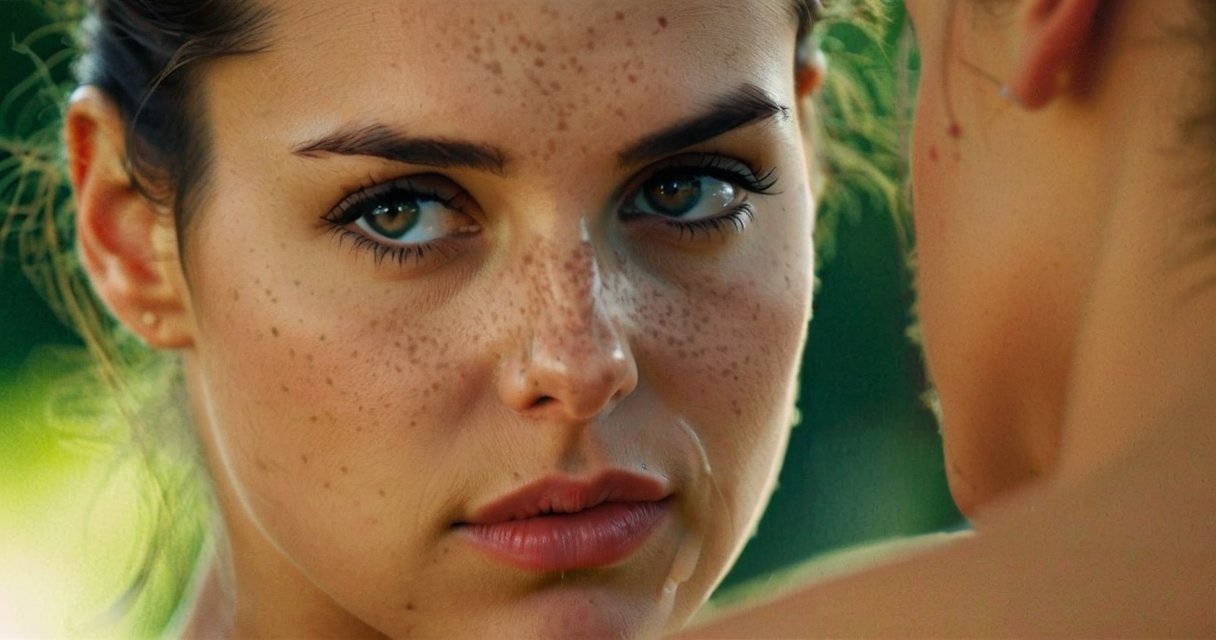
The right professional photography can transform a companion profile from a simple listing into a compelling visual story that draws attention and builds trust. In an industry where first impressions matter more than ever, the choice of photography isn’t just about aesthetics, it’s about creating a professional, inviting presence that aligns with the experience you offer. Whether you’re aiming for a sophisticated, intimate, or high-energy vibe, the right images can make the difference between a profile that gets overlooked and one that generates genuine interest. The key lies in understanding how lighting, composition, and the photographer’s approach can highlight your unique qualities while maintaining discretion and professionalism.
What to Look for in a Professional Photography Session
When selecting a photographer for your companion profile, the first priority should be their experience with professional portraiture rather than generic lifestyle shoots. A photographer who specialises in editorial or fashion work will understand how to capture natural elegance and confidence, which translates perfectly to escort profiles. Look for portfolios that showcase a range of lighting techniques, soft, diffused light for a warm and approachable look, or dramatic contrasts to create depth and intrigue. The ability to work with natural expressions without forced poses is also critical; the best shots feel authentic, not staged. Discuss your vision in advance, whether you prefer a classic, modern, or bold aesthetic, as this will guide the photographer’s approach to framing and mood. A good session should feel like a collaboration rather than an interview, ensuring the final images reflect your personality and the experience you provide.
Another essential factor is discretion. In this niche, privacy and professionalism go hand in hand. Ensure the photographer understands the importance of confidentiality and will handle your images with the utmost care. This includes secure storage, no sharing of unedited files, and a clear contract outlining usage rights. Some photographers specialise in discreet sessions for professionals in similar fields, so asking for references or examples of past work in this area can provide reassurance. The right photographer will also offer post-production services, such as subtle colour grading or minor retouching, to enhance the final images without altering your natural features. This level of attention to detail can elevate your profile from standard to standout.
Compact Cameras for On-Location Professional Photography
If you prefer to take control of your photography without hiring a professional, investing in a high-quality compact camera can yield impressive results. Models like the Panasonic Lumix L10 or Fujifilm X-S10 are favoured by enthusiasts for their balance of portability and performance, making them ideal for on-the-go shoots. These cameras deliver 24MP resolution, fast autofocus, and excellent low-light performance, perfect for capturing natural, flattering images in various settings. The Lumix L10, in particular, is praised for its compact size and intuitive controls, allowing you to adjust settings quickly during a session. For those who prioritise simplicity, the Sony ZV-1 is another strong option, designed with content creators in mind and offering stabilisation features that reduce blur in handheld shots.
The key advantage of using a compact camera is the ability to shoot in natural light, which often produces the most authentic and appealing results. Unlike studio lighting, which can feel artificial, natural light softens features and creates a more relaxed, inviting atmosphere. However, this approach requires practice, learning to anticipate the best times of day for shooting (early morning or late afternoon) and how to work with shadows to avoid harsh contrasts. Apps like Lightroom Mobile can then be used to fine-tune exposure, white balance, and colour grading post-shoot, ensuring consistency across your profile images. While these cameras won’t replace the expertise of a professional, they provide a cost-effective way to achieve polished, high-quality results with minimal equipment.
How to Choose Between Studio and Natural Light Portraits
The debate between studio and natural light portraits often comes down to the mood you want to convey. Studio sessions offer complete control over lighting, allowing for dramatic effects or a clean, minimalist aesthetic, but they can sometimes feel overly polished or detached. Natural light, on the other hand, creates a more organic and relatable feel, which many clients find more engaging. For companion profiles, natural light is often the preferred choice because it highlights genuine expressions and reduces the need for heavy retouching. However, this requires finding the right location, whether it’s a well-lit room with large windows or an outdoor setting with soft, diffused light. The photographer’s ability to direct you effectively in these conditions is just as important as the equipment they use.
If you opt for a studio session, prioritise a space with adjustable lighting panels or softboxes to avoid harsh shadows. A professional photographer will know how to balance key, fill, and background lights to create depth without overpowering your features. Some studios also offer green screen setups, which can be used to add subtle textures or backgrounds later in post-processing. The trade-off is that studio sessions tend to be more expensive and time-consuming, requiring multiple takes to achieve the desired look. For those on a tighter budget, a hybrid approach, using natural light for the main shots and a portable ring light for close-ups, can strike a balance between professionalism and authenticity. Ultimately, the choice should align with the tone of your profile; if you’re aiming for a luxurious, high-end feel, studio lighting may be worth the investment.
Post-Processing Tips for Professional Companion Profiles
Even the best-captured images can benefit from thoughtful post-processing to enhance their impact. The goal isn’t to alter your appearance drastically but to refine the details, smoothing minor imperfections, adjusting skin tone for a natural glow, and ensuring consistent lighting across all images. Tools like Adobe Lightroom or Capture One offer intuitive sliders for exposure, contrast, and colour balance, allowing you to make subtle adjustments without losing the authenticity of the shot. For example, a slight increase in warmth can create a more inviting tone, while reducing lens flare can keep the focus on your features. Many photographers also recommend avoiding heavy vignettes or exaggerated shadows, as these can detract from the natural appeal of the portrait.
Another critical aspect of post-processing is selecting the right file format. Editing in RAW format preserves more detail than JPEG, giving you greater flexibility to tweak shadows, highlights, and colours without losing quality. Once edits are finalised, exporting in a high-resolution format (300 DPI or higher) ensures your images look sharp when displayed on websites or printed. Some photographers also suggest creating a consistent colour profile across all images to maintain a cohesive look. For instance, if you’re using warm tones in one photo, applying the same grading to others will create a harmonious visual narrative. This attention to detail ensures your profile doesn’t just look good, it feels polished and intentional.
Budget-Friendly Options for High-Quality Photography
Professional photography doesn’t always require a high-end budget. Many photographers offer package deals that include multiple sessions, discounts for bulk orders, or even free retouching as part of the service. For example, a basic portrait package might include 10 edited images for around £150–£200, while premium packages with additional lighting or location options can range from £300–£500. Comparing prices and portfolios can help you find a photographer who offers exceptional value without compromising on quality. Some also provide trial sessions or discounts for repeat clients, making it easier to build a long-term relationship. If you’re working with a tighter budget, consider hiring a photographer for just the editing phase, many offer post-processing services separately, which can be a cost-effective way to elevate your images.
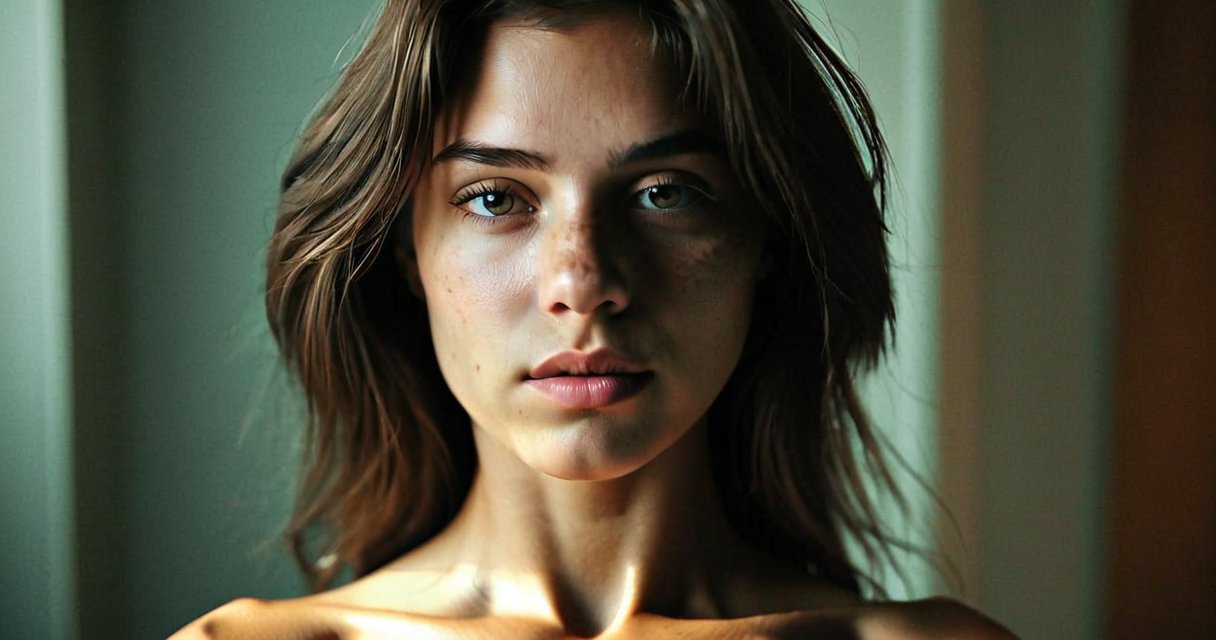
Alternatively, investing in a mid-range DSLR or mirrorless camera can provide professional results without the need for a photographer. The Canon EOS R50 or Nikon Z30 are popular choices for beginners, offering 24MP sensors, fast autofocus, and compact designs. These cameras are more affordable than high-end models but still deliver excellent image quality, especially in good lighting conditions. Pairing them with a prime lens (such as a 50mm f/1.8) can further improve sharpness and depth of field. For those who enjoy hands-on creativity, learning basic photography techniques, such as understanding aperture, shutter speed, and ISO, can make a significant difference in the final output. The key is to start with what you have and gradually upgrade as your confidence and needs grow.
How to Select Images That Stand Out in Your Profile
The images you choose to feature in your profile should tell a story while remaining professional and inviting. Aim for a mix of full-body shots, close-ups, and candid moments to give clients a well-rounded sense of your style and personality. Full-body images provide context and confidence, while close-ups allow you to showcase expressions and details that make your profile memorable. Candid shots, such as laughing, posing naturally, or engaging with the camera, add authenticity and help clients envision a connection. Avoid overly posed or unnatural expressions, as these can come across as insincere. Instead, focus on moments that feel genuine and reflective of the experience you offer.
Another strategy is to use a consistent colour palette or theme across your images. Whether it’s neutral tones for a classic look or bold colours for a modern vibe, cohesion helps your profile feel intentional and polished. For example, if you’re aiming for a sophisticated aesthetic, stick to muted backgrounds and soft lighting. If you prefer a more dynamic feel, incorporate textures like silk or velvet in your outfits to add depth. The right clothing and accessories can also enhance your profile, think timeless pieces like a tailored blazer or a delicate necklace that complement your features without distracting from them. Finally, always ensure the images are high-resolution and properly cropped to avoid pixelation or awkward framing. A well-curated selection of images will make your profile feel complete and professional, setting the tone for every interaction.
Having spent the last decade navigating the UK’s companionship landscape, I have developed a keen eye for discretion, etiquette, and the nuances of high-quality independent service. My writing focuses on demystifying the industry for newcomers while advocating for safety standards and mutual respect between clients and providers. I am committed to offering honest, practical advice for anyone engaging with this unique sector.