In the intimate world of companionship services in the UK, personal presentation plays a pivotal role in shaping first impressions and client expectations. Beyond the professional demeanour and expertise, the right choice of hair color can subtly enhance confidence and appeal, making it a strategic element worth considering. Whether you’re a seasoned professional or new to the industry, understanding the latest trends in hair color among UK companions can help you refine your look to align with current tastes while maintaining authenticity. The subtle art of hair color selection isn’t just about following trends, it’s about knowing how to apply them to your natural features and personal style to create a polished, attractive image that resonates with clients.
Understanding the Psychological Impact of Hair Color
The way hair color influences perception is profound, particularly in settings where first impressions matter deeply. Research in social psychology suggests that hair color can alter how others judge confidence, age, and even trustworthiness. For companions, this means that a well-chosen shade can subtly communicate professionalism and approachability. Darker tones, such as deep browns or blacks, often convey sophistication and maturity, making them popular among clients who prefer a classic, timeless aesthetic. Conversely, lighter shades like platinum or pastel hues can project a youthful, energetic vibe, appealing to those who seek a more modern or playful dynamic. The key lies in selecting a color that complements your natural features without overwhelming them, ensuring the transformation feels intentional rather than forced.
When considering hair color, it’s essential to think about how it interacts with your skin tone and facial structure. For example, cool undertones in the skin often pair beautifully with ash-blonde or silver tones, while warm undertones may suit richer caramel or auburn shades. A professional stylist can help navigate these nuances, but even without one, experimenting with subtle variations, such as adding a few strands of a complementary color, can create a polished effect. The goal isn’t to drastically alter your appearance but to enhance it in ways that feel natural and appealing to your target audience. This balance between trend and authenticity is what sets apart a well-executed hair color from a fleeting fashion choice.
How to Research Current Hair Color Trends in the UK Escort Industry
Staying informed about the latest hair color trends within the UK escort community requires a mix of observation, networking, and discretion. Unlike mainstream fashion, industry-specific trends often emerge from word-of-mouth among professionals and clients who notice what resonates. Start by following industry-specific social media platforms or forums where companions share insights on styling choices. Platforms like Instagram or LinkedIn, when used judiciously, can reveal popular colors through posts, stories, or even subtle references in client testimonials. Additionally, attending industry events or networking functions, where professionals discuss aesthetics and client preferences, can provide firsthand knowledge of what’s gaining traction.
Another effective approach is to analyse the profiles of high-demand companions in your area. Notice the hair colors that appear frequently among those with strong reputations. For instance, deep auburn or chestnut shades have been consistently popular for their warmth and versatility, while softer pastel tones like lavender or mint green cater to clients who prefer a more unconventional look. Pay attention to how these colors are styled, whether sleek and polished or left slightly tousled, and whether they complement the companion’s overall presentation. This kind of research isn’t about copying trends blindly but about understanding the preferences of your client base and tailoring your look to appeal to them. The end goal is to create a style that feels distinctive yet aligned with what clients find attractive.
Choosing the Right Hair Color for Your Natural Features
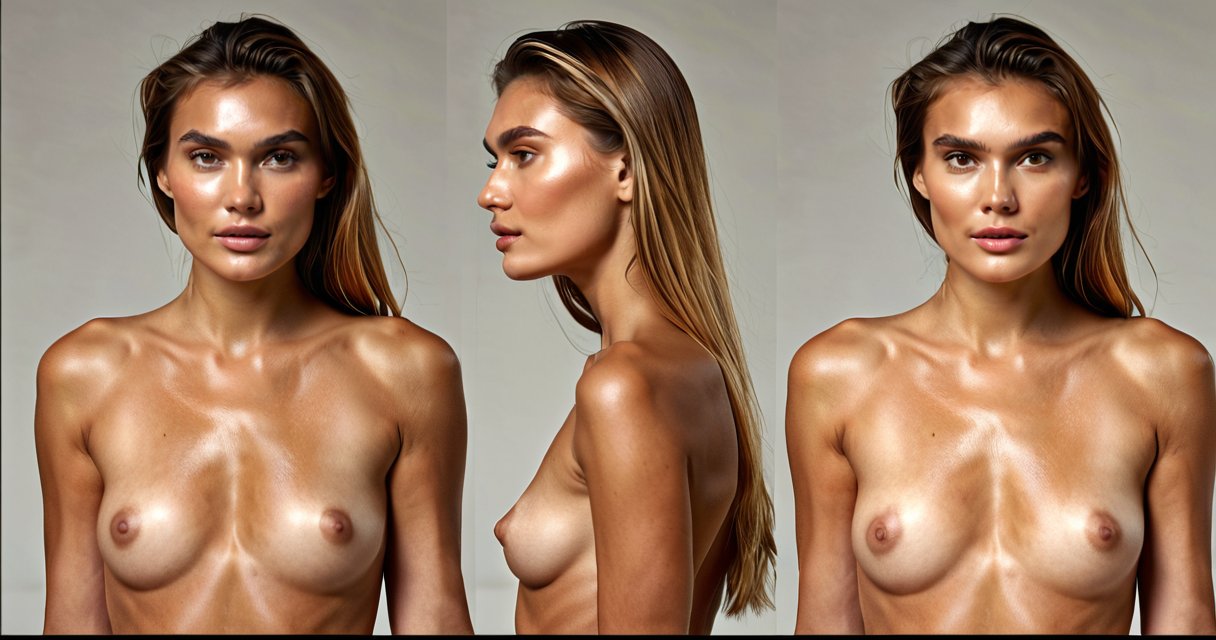
Not every hair color will suit every individual, which is why selecting a shade that harmonises with your natural features is critical. Begin by assessing your skin tone, whether it leans towards warm, cool, or neutral, and how it reacts to different lighting conditions. For example, those with warm undertones often look best in golden blondes or coppery reds, as these shades enhance the natural glow of the skin. Conversely, cool undertones may benefit from shades like platinum or smoky black, which create a striking contrast without clashing. A simple test involves comparing your skin tone to a white sheet of paper: if your veins appear bluish, you likely have cool undertones; if they look greenish, you’re warm-toned.
Your eye color and facial features also play a significant role in determining the most flattering hair color. For instance, blue or green eyes often pop against warm tones like caramel or honey, while brown eyes can be accentuated with deeper shades such as espresso or mahogany. If you have high cheekbones or a strong jawline, bolder colors like burgundy or deep blue can add definition, whereas softer shades may suit those with more delicate features. Before committing to a change, consider consulting a stylist who specialises in colour theory, as they can provide tailored advice based on your unique attributes. The right hair color should enhance your natural beauty rather than distract from it, making your overall presentation more compelling to clients.
Step-by-Step Guide to Transitioning to a New Hair Color
Transitioning to a new hair color requires careful planning to avoid common pitfalls like uneven tones or damage to your hair. The first step is to choose a shade that is no more than one or two levels darker or lighter than your natural color to minimise stress on your hair. For example, if you have dark brown hair, opting for a rich chocolate brown or a deep auburn is a safer choice than jumping to platinum, which can be harsh on the hair. Always start with a small section of hair to test how the color looks and how your scalp reacts. This allows you to adjust the shade or technique before committing to a full transformation.
Once you’ve selected your desired color, schedule an appointment with a professional stylist who has experience working with your hair type. They can provide guidance on the best dye formula, application technique, and aftercare routine to ensure a smooth transition. If you’re dyeing at home, invest in high-quality, ammonia-free dyes and follow the instructions precisely to avoid patchy results. After the color is applied, avoid washing your hair for at least 48 hours to allow the dye to set properly. During the transition period, use gentle, sulphate-free shampoos and conditioners to maintain the health of your hair. Regular deep conditioning treatments can also help prevent dryness and breakage, ensuring your new hair color looks vibrant and well-maintained.
Maintaining Your Hair Color Long-Term
Once you’ve achieved your desired hair color, the next challenge is keeping it looking fresh and vibrant over time. The key to long-term maintenance lies in regular touch-ups and proper care routines. For semi-permanent or permanent dyes, touch-ups every six to eight weeks are typically recommended to prevent fading or uneven tones. If you’re using temporary dyes or gloss treatments, these can be reapplied more frequently, though they may require more frequent refreshes. Always use products designed for your specific hair color to prevent brassiness or dullness. For example, purple shampoos can help neutralise yellow tones in blonde hair, while blue shampoos are ideal for preventing redness in brunette shades.
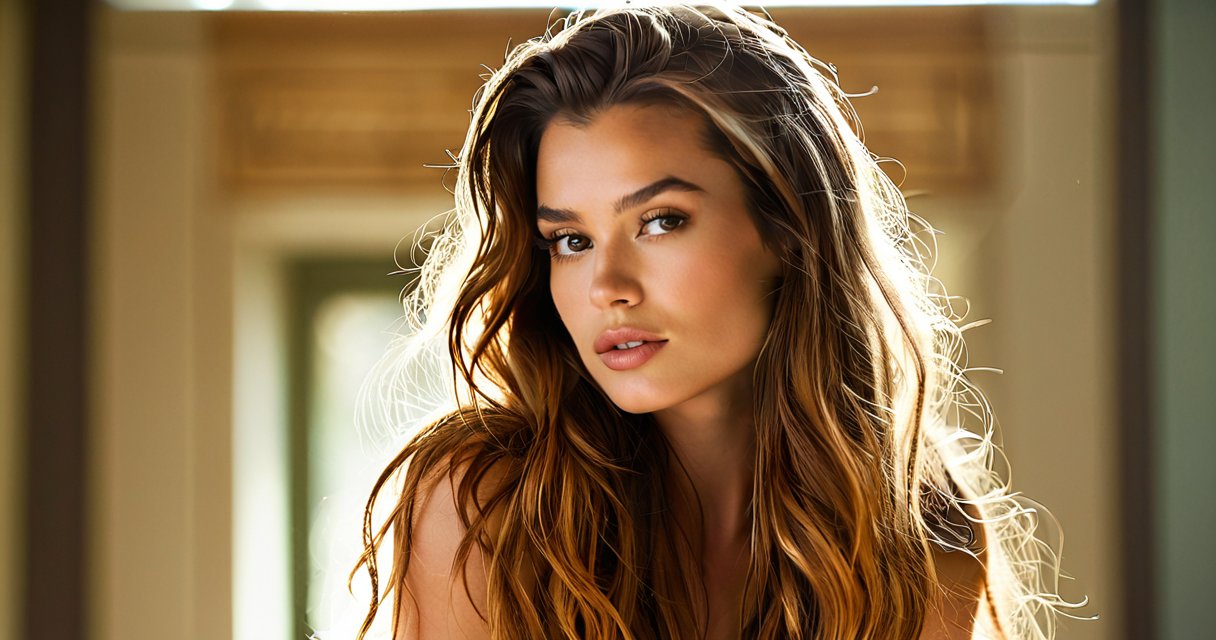
Your daily hair care routine also plays a crucial role in preserving your hair color. Avoid excessive heat styling, as high temperatures can strip color and cause damage. When washing your hair, use lukewarm water instead of hot to prevent fading, and apply conditioner to the ends to keep them moisturised. Additionally, protect your hair from environmental factors like sun exposure and chlorine, which can accelerate colour loss. Investing in a high-quality heat protectant spray and wearing a hat or scarf when outdoors can extend the life of your hair color. Regular trims every six to eight weeks will also help maintain the shape and health of your hair, ensuring it continues to look polished and appealing to clients.
Common Mistakes to Avoid When Changing Hair Color
One of the most frequent mistakes when changing hair color is underestimating the commitment required to maintain it. Many companions opt for bold or unconventional shades without considering how they will age or blend with their natural hair growth. For instance, a vibrant pink or blue streak may look stunning at first but can quickly become patchy as new growth emerges. To avoid this, opt for gradual transitions or root touch-ups that blend seamlessly with your base color. Another common error is choosing a shade that clashes with your skin tone or eye color, making your overall appearance look unbalanced. Always test your chosen color in natural light to see how it interacts with your features before making a final decision.
Another pitfall is neglecting the health of your hair during the coloring process. Using low-quality dyes or skipping pre-lightening treatments can result in uneven application, breakage, or even chemical burns. Always follow the instructions on dye products carefully, and if in doubt, consult a professional. Additionally, rushing the process by leaving dye on for longer than recommended can lead to over-processing, which weakens the hair and causes frizz. Finally, failing to adapt your hair care routine to your new color can accelerate fading and dullness. For example, using harsh sulphates or frequent heat styling can strip color and leave your hair looking lifeless. By being mindful of these common mistakes, you can ensure your hair color transformation is both successful and sustainable.

Having spent the last decade navigating the UK’s companionship landscape, I have developed a keen eye for discretion, etiquette, and the nuances of high-quality independent service. My writing focuses on demystifying the industry for newcomers while advocating for safety standards and mutual respect between clients and providers. I am committed to offering honest, practical advice for anyone engaging with this unique sector.